
The Allure of Risk in Gambling
The psychological appeal of risk in casino settings is a complex phenomenon that captivates individuals from diverse backgrounds. The excitement generated by unpredictable outcomes is deeply rooted in human psychology. Anticipation during high-stakes moments can trigger a rush of adrenaline, which many find exhilarating. This thrill-seeking behavior often drives patrons to return repeatedly, seeking both the excitement and the potential for financial gain that comes with taking risks, especially when they explore options like australia online casino offerings. The interplay of chance and strategy keeps players engaged, as they often believe that their choices can influence the outcome.
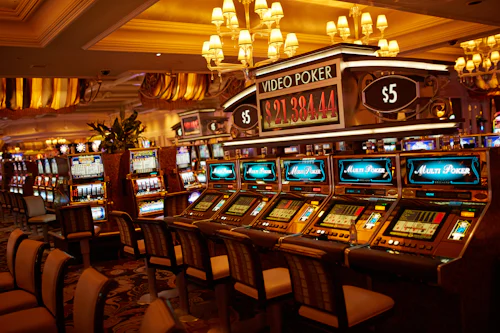
Moreover, the environment of a casino is meticulously designed to enhance this allure. Bright lights, vivid colors, and stimulating sounds create an immersive atmosphere that distracts players from the potential downsides of their decisions. The integration of sensory stimuli can heighten emotions, leading to a perception that the odds are more favorable than they may actually be. This manipulation of sensory experiences can lead individuals to make riskier choices while gambling, as they become enveloped in the excitement of the environment.
Additionally, social interactions within casinos play a critical role in shaping one’s perception of risk. Many individuals engage in gambling as a communal activity, sharing their experiences with friends or even strangers. These social dynamics can amplify the sense of excitement and normalize risk-taking behavior, as people are influenced by the actions and reactions of those around them. This collective experience not only enhances the thrill but also reinforces the belief that risk can lead to favorable outcomes, creating a powerful feedback loop that encourages further engagement.
The Role of Cognitive Biases
Cognitive biases are systematic patterns of deviation from norm or rationality in judgment, and they are particularly evident in gambling scenarios. One prominent example is the illusion of control, where individuals believe they can influence outcomes that are, in fact, random. Gamblers may feel that their skills can affect the result of a game, leading them to take more significant risks than they might in other contexts. This belief can perpetuate a cycle of risk-taking, as players chase their perceived successes, often ignoring the inherent randomness of the games.
Another cognitive bias that influences behavior in casinos is the availability heuristic. Gamblers often recall their recent wins more vividly than their losses, which can skew their perception of reality. This bias can result in an overestimation of their chances of winning, prompting them to engage in riskier behavior. The more they hear stories of big wins, whether from peers or marketing materials, the more likely they are to gamble without fully weighing the risks involved. This selective memory can lead to a dangerous cycle of risk-taking and financial loss.
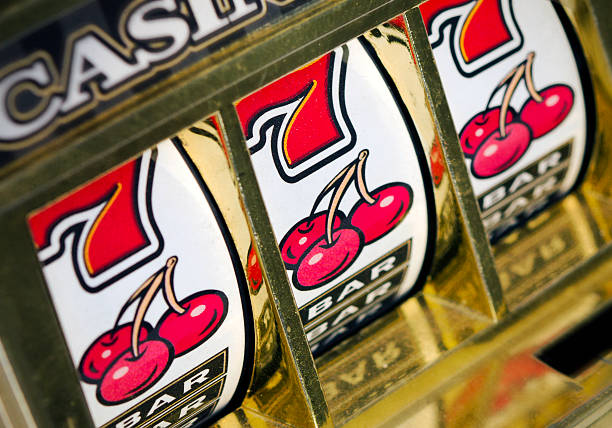
Moreover, the gambler’s fallacy plays a pivotal role in decision-making at casinos. This common misconception leads individuals to think that past outcomes can affect future probabilities, such as believing that a slot machine is “due” for a payout after a series of losses. Such thought patterns can provoke increased risk-taking, as players pursue what they believe to be an imminent win. The frustration and disappointment that often accompany these beliefs can lead to further irrational behavior, resulting in a higher likelihood of significant losses over time.
Emotional and Psychological Factors
The emotions experienced in a casino environment significantly impact how individuals perceive and engage with risk. High levels of excitement can create a false sense of security, causing players to overlook the fundamental nature of gambling: that it is based on chance rather than skill. This emotional investment can lead to a phenomenon known as loss aversion, where the fear of losing outweighs the prospect of gain, prompting individuals to take risks they might otherwise avoid. The interplay between excitement and anxiety can create a volatile emotional landscape for gamblers.
Furthermore, the use of rewards and incentives within casino settings can play on psychological triggers. Free drinks, loyalty programs, and bonuses can create a sense of euphoria, which often leads to more impulsive decision-making. This marketing strategy taps into the brain’s reward pathways, reinforcing the connection between gambling and positive emotions. As a result, players may misjudge their financial risks and, in turn, make choices that could have serious consequences, blurring the line between responsible play and reckless behavior.
Another key psychological aspect is the concept of escapism. Many patrons visit casinos to escape the pressures of daily life or to chase a feeling of euphoria that they associate with gambling. This escape can dull their rational decision-making skills, leading them to engage in higher-stakes games and riskier bets. The desire for emotional relief can exacerbate risk-taking behavior, creating a cycle that is difficult to break. In this way, the casino becomes a refuge where individuals may lose sight of their financial boundaries and decision-making processes.
The Impact of Environment on Risk Perception
The physical environment of a casino can significantly influence a player’s perception of risk and their overall gambling behavior. Factors such as layout, lighting, and décor contribute to an atmosphere geared toward excitement and engagement. For instance, the clustering of games in busy areas can create a sense of urgency, encouraging patrons to make rapid decisions without carefully considering their financial situation. The thrill of immediate action can overshadow the potential consequences of their choices.
Additionally, the absence of clocks and windows in many casinos is a deliberate design choice to disconnect players from the outside world and the passage of time. This conscious manipulation can lead to extended gambling sessions and a diminished sense of the risks involved. As individuals become engrossed in the environment, they are more vulnerable to making impulsive decisions that can lead to significant losses. This design strategy plays on the human tendency to lose track of time when engaged in highly stimulating activities.
Furthermore, the social and competitive aspects of gambling can heighten risk perception among players. With the presence of others, many individuals feel compelled to take more risks to keep up or impress their peers. This social pressure can lead to an increase in stakes and a willingness to engage in bets that might be considered reckless outside of the casino environment. Such dynamics create a unique culture where risk-taking is not only normalized but celebrated, further entrenching individuals in patterns of high-risk behavior.
Your Gaming Insights and Experiences
At our website, we emphasize the importance of understanding the psychological aspects of risk in gaming environments. By providing educational resources, articles, and insights, we aim to help individuals make informed choices when engaging in gambling activities. Our content focuses on the interplay between psychology and risk, equipping users with the knowledge necessary to navigate casino environments more effectively. This commitment to education can help players build a healthier relationship with gambling.
We believe that awareness of the psychological factors at play can empower individuals to engage in gambling responsibly. Whether exploring the impact of cognitive biases or the emotional triggers associated with risk, our goal is to foster a deeper understanding of the gambling experience. By promoting responsible behavior and informed decision-making, we hope to contribute to a healthier gaming culture. Our resources encourage players to reflect on their motivations and decisions while gaming.
Ultimately, our website serves as a hub for those interested in the intricate dynamics of casino environments. We encourage visitors to explore our resources, engage with our community, and gain a deeper appreciation for the psychology behind gambling. Through education, we aim to reshape perceptions of risk and provide valuable insights that enhance the overall gaming experience. By fostering a culture of learning and reflection, we hope to inspire players to approach gambling with mindfulness and awareness.